

Notes from inside the industry.
Thoughts on AI in chemical distribution: what's working, what to skip, and how operators are putting it to use.
Latest posts.
-
 July 2, 2026
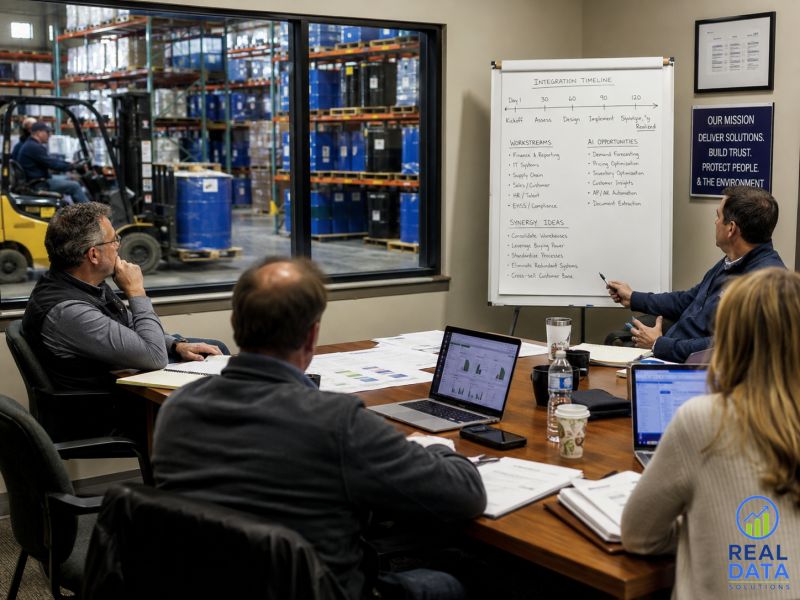
Thinking about selling your company? 95% of PE funds say AI met or beat the business case. Only 7% of portfolio companies run AI at scale.
95% of PE funds say AI already met or beat the business case, yet only 7% of portfolio companies run it at scale. Buyers are pricing that gap into the multiple, and training the team early is what closes it.
→ -
 July 1, 2026
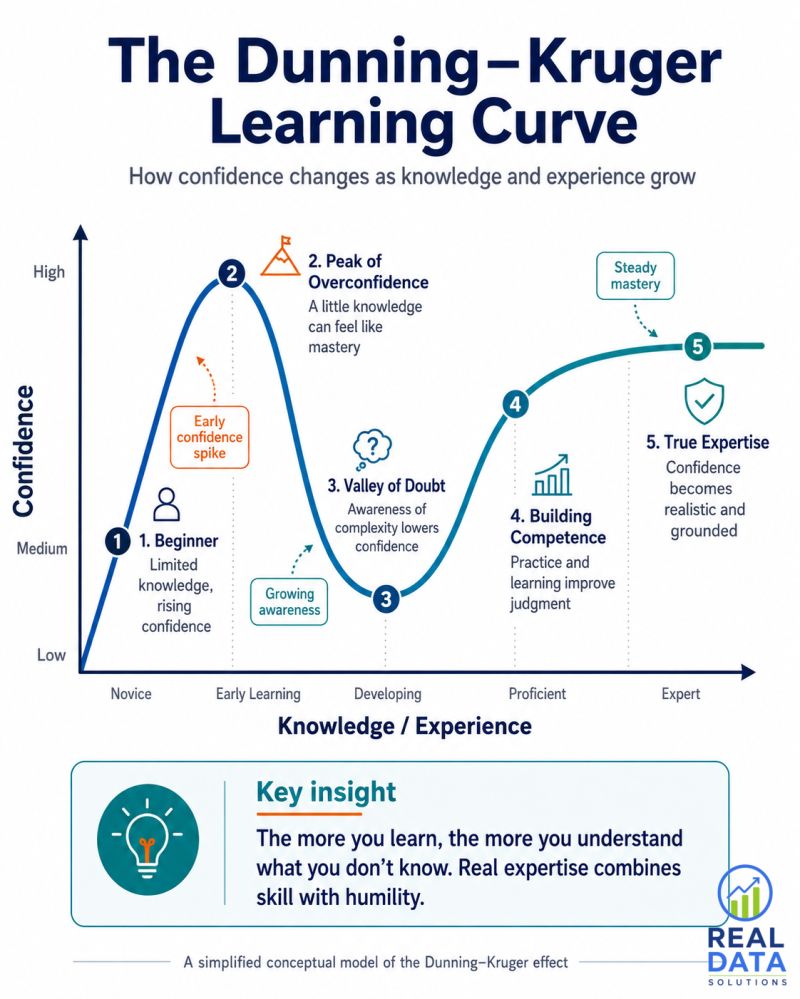
I'm a worse speller because I use AI.
A study found the most confident AI users misjudge their own results the most, and I see the same pattern on sales teams after one good output. The skill worth building now is judgment, what to feed the tool, what to delegate, and how to catch a wrong answer.
→ -
 June 30, 2026
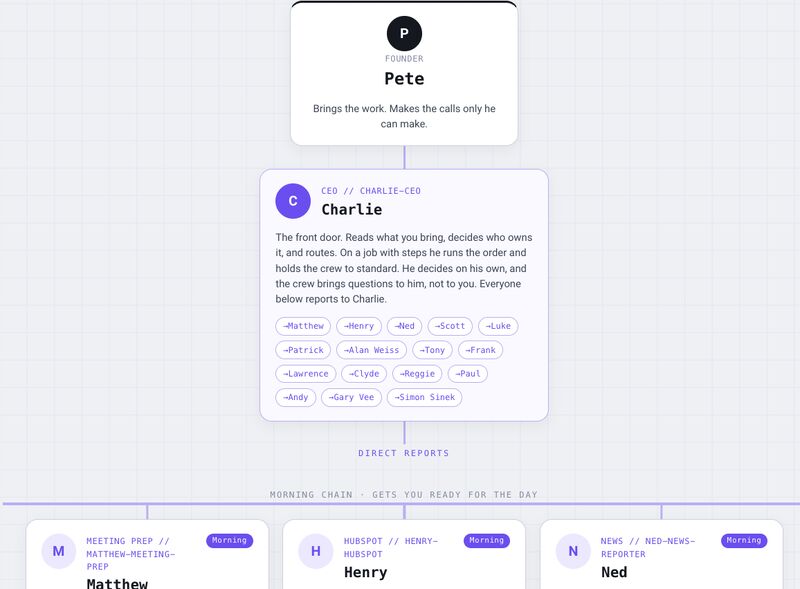
We're growing! I have a team of 17 and they all work for free.
I built a 17-agent virtual team inside Claude, from a research analyst to a virtual CEO, to run Real Data Solutions day to day. Running a one-person company entirely on AI raises the bar before I need real employees.
→ -
 June 23, 2026
A Top AI Model Went Dark for 6 Days
Anthropic's newest model went offline worldwide for 6 days, then returned paid. The lesson on building so you can swap models.
→ -
 June 23, 2026
The Easy AI Tool Decision Just Changed
ChatGPT slipped below 50% of the AI assistant market. For a distributor, the tool choice now comes down to the job and the data policy.
→ -
 June 23, 2026
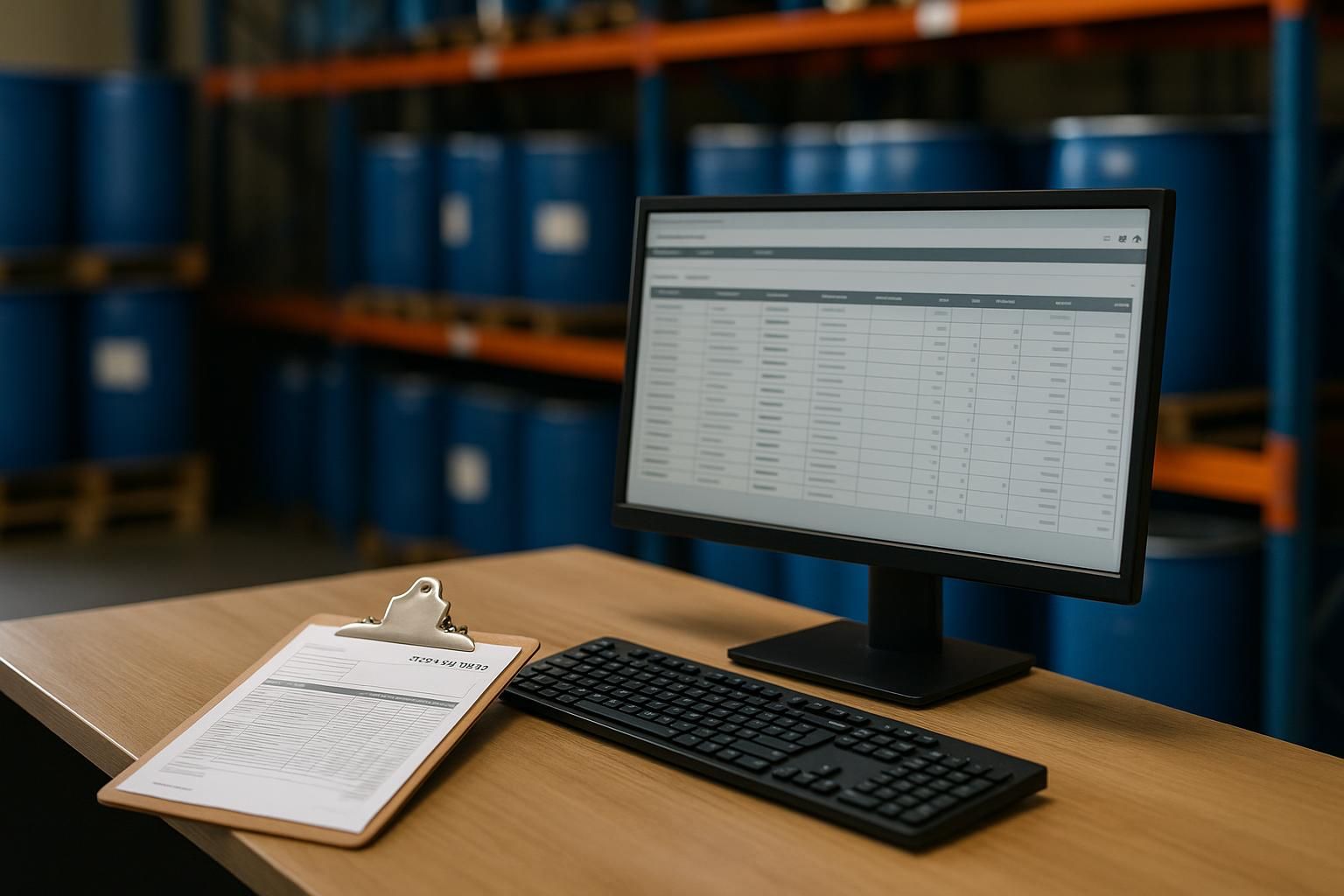
Your ERP Just Learned to Cut the Purchase Order Itself
ERP agents now create journal entries, post receipts, and process invoices inside the system, with an approval step and an audit trail.
→ - June 22, 2026
Slow industries reward their early movers. Overall, chemical distribution is moving slow on AI with some moving faster than others.
AI got no session at the ACD Spring Regional Meeting in Cleveland and barely came up. Careful adoption makes sense here, and the distributors who apply AI to one process this year will spend less and learn faster than those who start in 2027.
→ - June 19, 2026
I was a Windows and Android guy for most of my career. Then I switched to Apple, and I wish I had switched sooner.
After years on Windows and Android, I switched to Apple and wish I had sooner. AI that keeps data on the laptop and IBM's lower Mac support costs make the case, and as ERPs move to the browser, sales laptops may not need Windows.
→ - June 18, 2026
SpaceX filed for 1 million compute satellites. Your ERP still can't export clean sales data.
SpaceX filed for up to 1 million AI satellites the week Anthropic shipped Claude Fable 5, while many distributors still rekey COAs into a 2004 ERP. The limit is clean product data, an ERP you can get data out of and one documented workflow.
→ - June 15, 2026
95% of AI pilots show no profit impact. The skeptics in your company have a point.
MIT found 95% of corporate AI pilots show no profit impact, and RAND puts the failure rate near 80%. I've seen the same pattern in distribution, pick one workflow buried in paperwork, keep a human checking every output, and measure it for 90 days before spending more.
→ - June 13, 2026
An AI agent can now spend your money. Visa still made it ask permission first.
Visa plugged its payment network into ChatGPT so an agent can shop and buy at almost any merchant that takes Visa, but built in spending limits and a human approval step before the money moves. I work with distributors eyeing full autonomy for reordering and purchasing, and Visa's choice to keep a human in the loop is the lesson.
→ -
 June 13, 2026
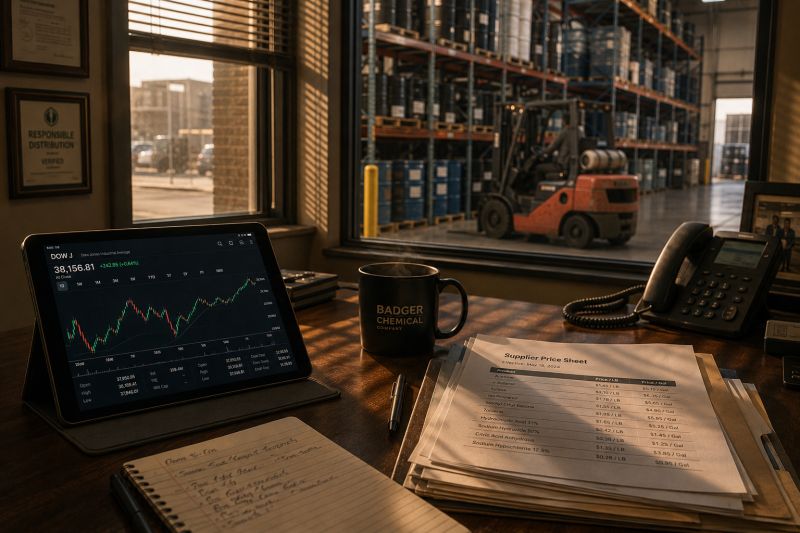
Anthropic, OpenAI, and SpaceX IPO's are filed. The AI IPO pipeline is now worth $3.6 trillion.
Anthropic, OpenAI, and SpaceX have all filed for IPOs, putting the combined AI IPO pipeline at $3.6 trillion, with Anthropic's revenue run rate hitting $47 billion in May. The valuations prove the technology has staying power, so put AI on your strategic plan this year with an owner and a budget line.
Newsletter→