

Notes from inside the industry.
Thoughts on AI in chemical distribution: what's working, what to skip, and how operators are putting it to use.
Latest posts.
- May 22, 2026
SpaceX builds rockets, satellites, and now AI compute. Anthropic (Claude) is the first big customer.
SpaceX is now selling AI compute from two massive new data centers, and Anthropic is one of its first big customers. When a company known for landing rockets on barges gets into compute, it shows how serious, and expensive, the AI infrastructure race has become.
→ - May 21, 2026
Gemini just copied Claude's pricing model. That makes ChatGPT the best value in compute. It might also prevent Anthropic from raising their price.
Google switched Gemini to compute-based usage limits, matching what Anthropic already does with token consumption on Claude's Pro and Max plans. Claude Code and Cowork have been underpriced for what they deliver, and Google's move (matching Anthropic's model, without publishing the formula) probably buys Anthropic more time before they have to raise the price.
→ -
 May 21, 2026
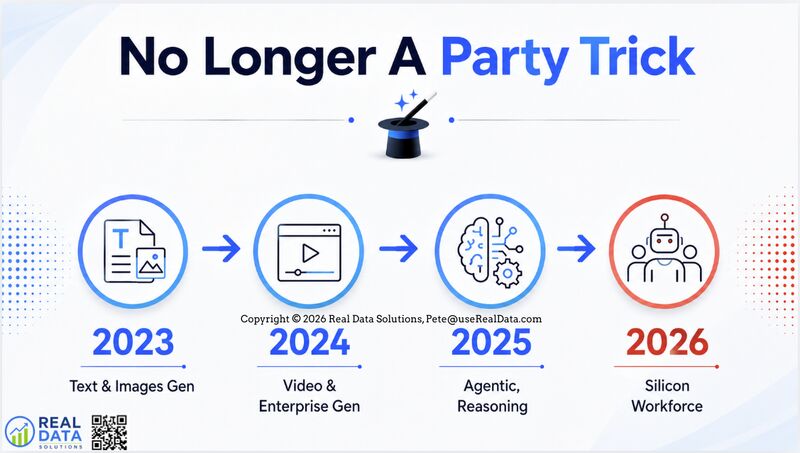
You still have a CSR retyping POs into your ERP. Datacor has an agent that ends that.
Datacor's Winter 2026 release reads a customer PDF and writes the sales order straight into the ERP, no template or OCR required. That's the silicon workforce arriving at distributors, an agent doing a job a person used to do.
→ -
 May 20, 2026
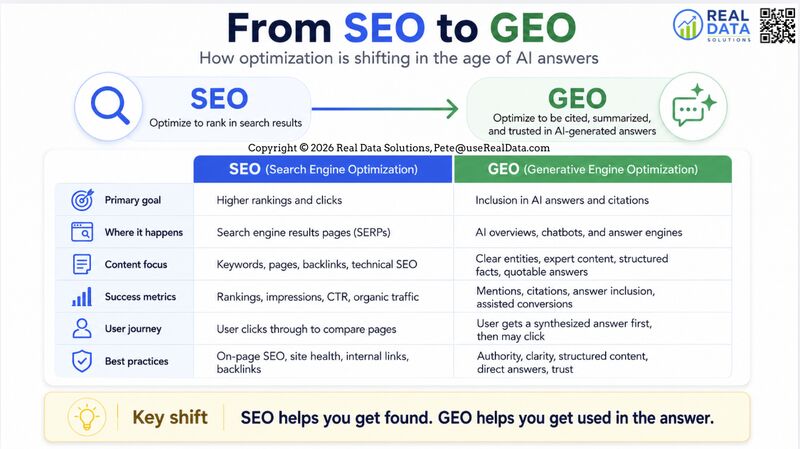
Two acronyms decide who wins online now. Most websites only know one of them.
SEO gets you ranked in Google's results. GEO gets you cited inside the answer ChatGPT, Google AI Overviews, or Copilot writes back to the user, and most sites are only built for the first one.
→ - May 19, 2026
Builder.ai raised over $450M as an AI company. The AI was 700 engineers in India.
Builder.ai raised over $450 million pitching AI that built apps, when the work was actually done by about 700 engineers in India writing code by hand and told to work UK hours so it looked automated. It's still the best test for any AI vendor pitch, ask exactly where the model decides, what data trained it, and how you validate the results.
→ - May 19, 2026
We design warehouses for people who walk or drive a fork lift. Amazon stopped doing that years ago.
A tour of an Amazon fulfillment center got me asking why distributors still move people toward product when the product could move instead. Hazmat keeps robots out of our warehouses, and there are still lessons in how Amazon rebuilt the question from scratch.
→ - May 16, 2026
Cuts will happen, but don’t cut too deep.
A quote worth sitting with on the GM, Ford, and Stellantis job cuts. Cut your workforce beyond what AI can actually replace and you lose productivity, institutional knowledge, and your best people. Fail to rethink how work gets done and your competitors pass you by.
→ -
 May 16, 2026
Most companies say they're not ready for AI. They're skipping the only step that matters.
Setting up an AI project with your own price list, sales report, and SDS files takes about 10 minutes, and that's the step most companies skip. The technology is ready, the real gap is imagination for how to use it.
→ -
 May 15, 2026
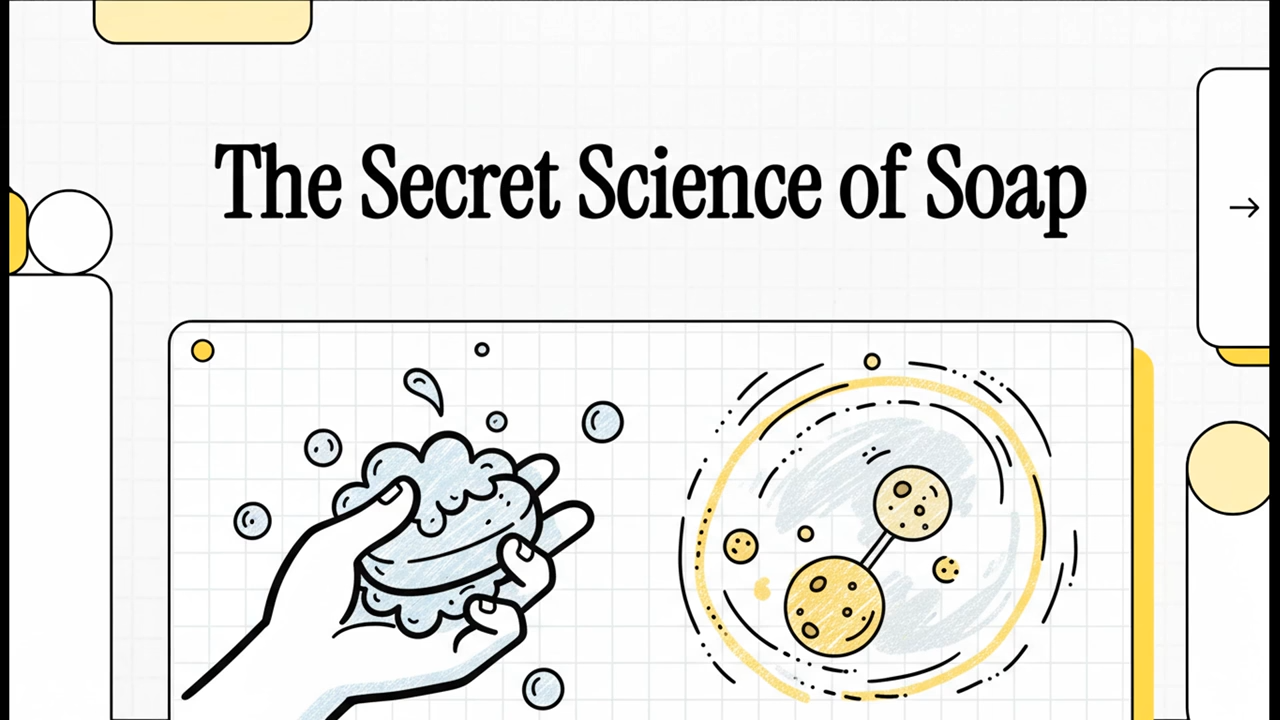
Yesterday, I posted about what NotebookLM did with the Stepan brochure. Here's taking it one step further.
AI tools are starting to blur together. NotebookLM still stands out for turning a chemical brochure into a two-host podcast you can interrupt with questions, and the other tools haven't caught up.
→ -
 May 14, 2026
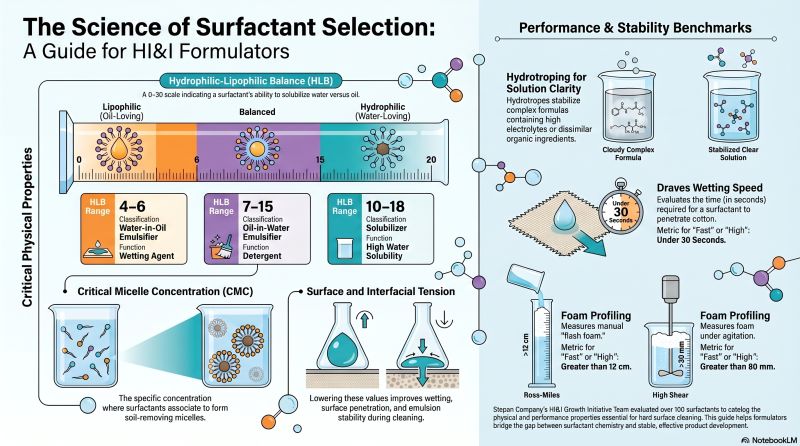
I dropped Stepan's surfactant selector guide into NotebookLM.
I dropped Stepan's surfactant selector guide into NotebookLM and it turned the PDF your reps already ignore into a chat, a quiz, an infographic, and an audio overview I could play in the car. NotebookLM is free.
→ -
 May 13, 2026
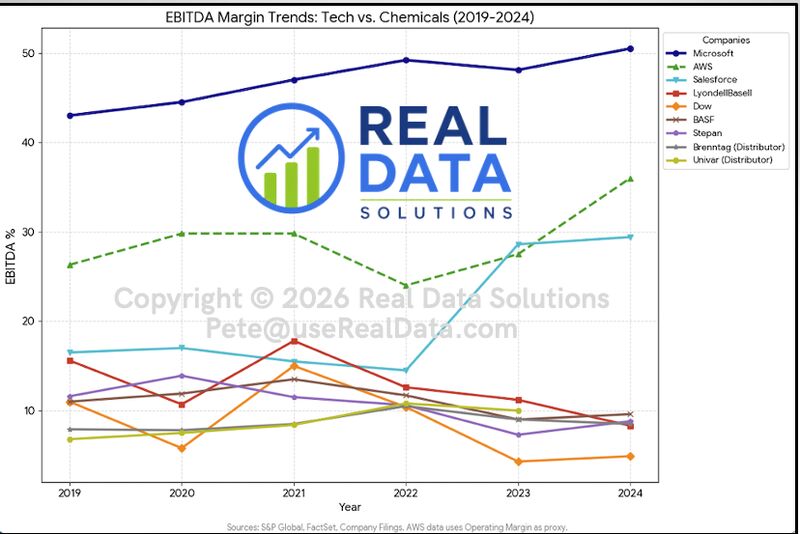
Big Tech is running several times the EBITDA of Big Chemical.
I asked Gemini to chart five years of EBITDA for the biggest software companies against the biggest chemical companies, and software margins keep widening while chemical margins compress. Software subscriptions, ERP, CRM, analytics, AI pilots, are a growing line item behind that gap.
→ -
 May 13, 2026
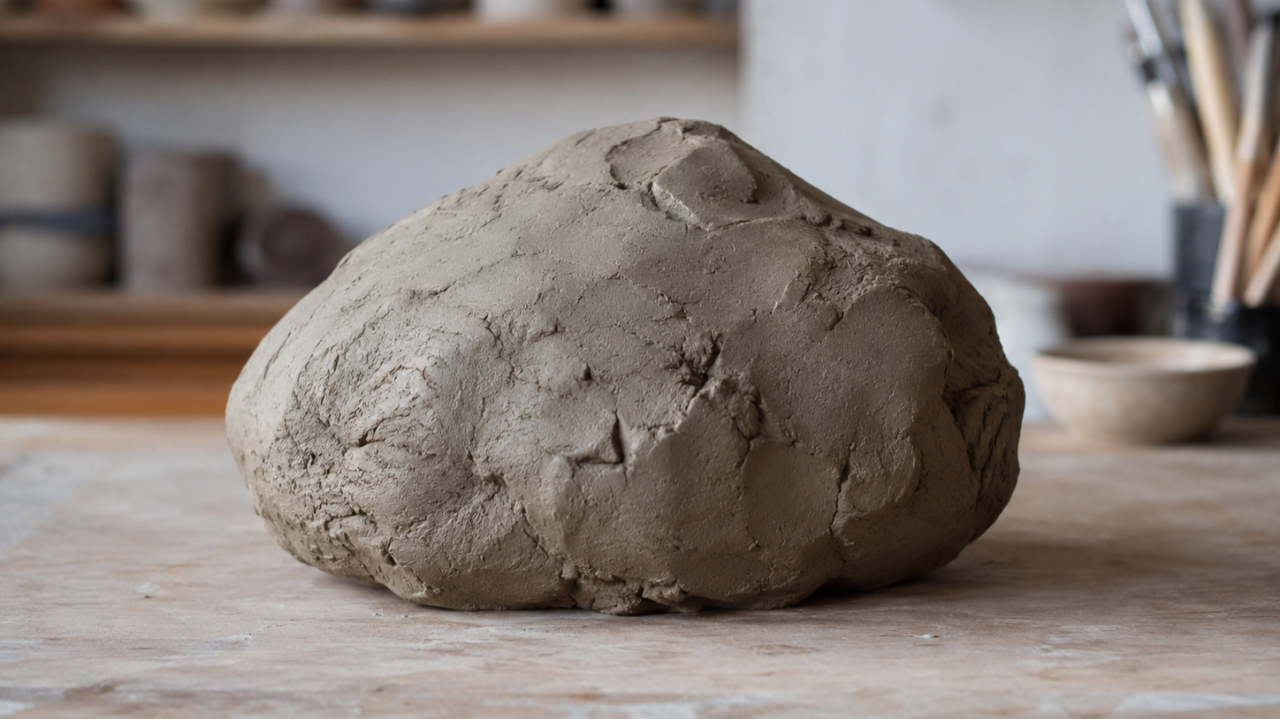
It's really stressful being clay.
A reflection on what it feels like to be shaped by forces you don't control, told through the image of a lump of clay under a sculptor's hands. For me the sculptor is Jesus Christ, and the job each day is just to stay soft instead of hardening against it.
→